
Paying attention to individual wellness habits is important for your health. However, many bigger gains come from keeping whole communities healthy while saving money at the same time.
These are my opinions, backed by studies from trusted sources. What ties them together is not a political party. It is the idea that health and wellness reaches beyond the individual. Every claim below links to its source, so you can check the work and reach your own view.
Here is the case for five of them.
Walk into any wellness space, and you get a similar message. Your health is in your hands. Drink more water. Move your body. Manage your stress. Get plenty of sleep. All of it is true, and all of it is worth doing. I built my work at Elixir on that belief.
However, there is a limit to what good wellness habits can do. You can do everything right and still land in medical debt after one poor diagnosis. You can eat clean all summer and still breathe wildfire smoke for weeks. You can work full time and still not afford the food or the health care your family needs. Health is personal, and it is also built by the world around us. Clean water and air, healthcare you can access when you need it, security in your retirement, even the food you can put on the table.
A handful of policies would do more for our shared health and wellness than any product. The encouraging part is that most of them draw support across the political spectrum, because they rest on values almost everyone holds. Nobody wants a family member or neighbor suffering or dying needlessly. Seeing an elderly person having to work in their 80s because they can’t afford necessities feels cruel. No one wants innocent children to go hungry. Everyone wants tax dollars spent well, and these programs and policies do just that, all while making life better for all Americans.
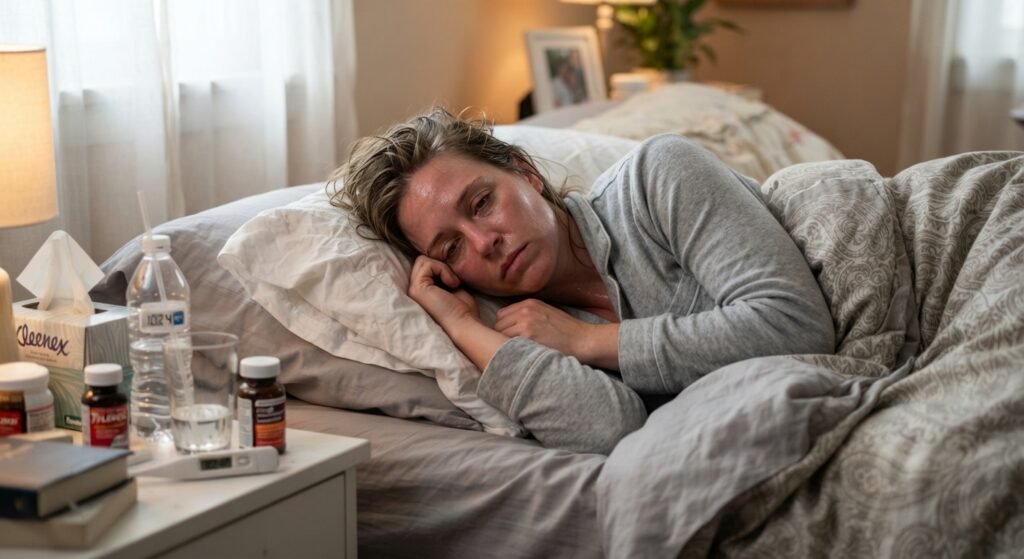
Health care people can actually access
Medicare for All
For your health. The strongest driver is whether you can see a doctor without fear of the bill. When care reaches everyone, problems are caught early, when they are cheaper and simpler to treat. A 2020 study in The Lancet led by Yale researchers estimated that a single-payer Medicare for All system would save more than 68,000 lives a year. An updated analysis from the same team in 2026 raised that estimate to roughly 114,000 lives a year. Read the Yale findings.
For the budget. Here is the part that surprises people. Covering everyone would cost less, not more. The 2020 study projected savings of about $450 billion a year, mostly from cutting administrative waste and negotiating drug prices. The 2026 update put the savings closer to $1 trillion a year. The US already spends more per person on health care than any other nation and gets less for it. This is where the compassionate choice and the frugal choice point in the same direction.
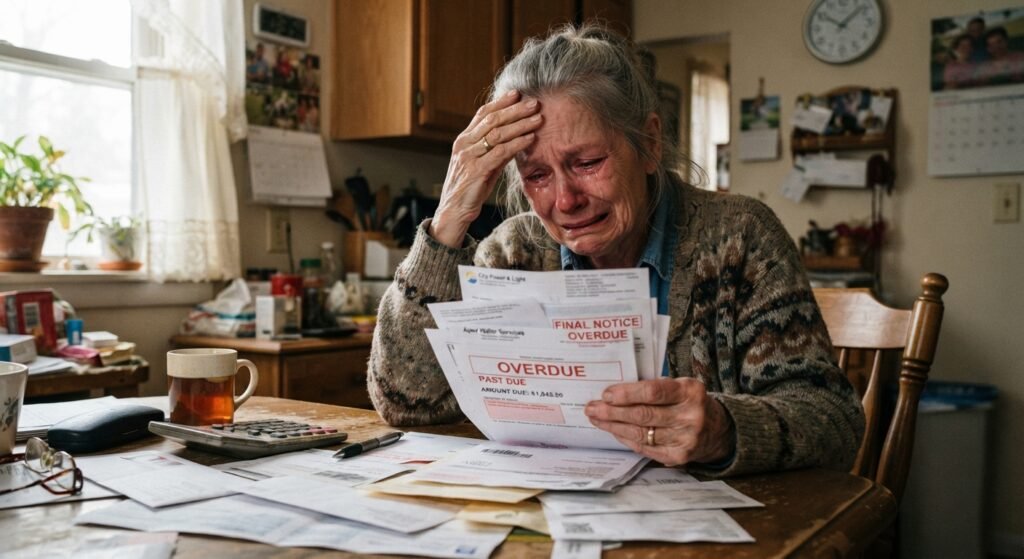
A retirement people can live on
Strengthening Social Security
For your health. Poverty behaves like a health condition. It raises stress, cuts access to care and good food, and shortens lives. Social Security is the most effective and popular anti-poverty tool the US has ever built. It lifts more people above the poverty line than any other program, around 22 million in a single year, including more than a million children. See the analysis from the Center on Budget and Policy Priorities. Before the program existed, more than a third of older Americans lived in poverty. Today the rate is about one in ten. That one in ten figure is still too high for most of us, so strengthening the already popular program just makes sense. See the NBER history.
For the budget. These dollars flow straight back into local economies. Older people spend their checks on rent, groceries, and prescriptions in their own towns. Protecting the program keeps that stability in place for the next generation, who paid in expecting it to be there. Letting it erode would push millions back toward the poverty that drives up health costs for everyone.
Support that arrives before it is too late
Cutting red tape for safety nets
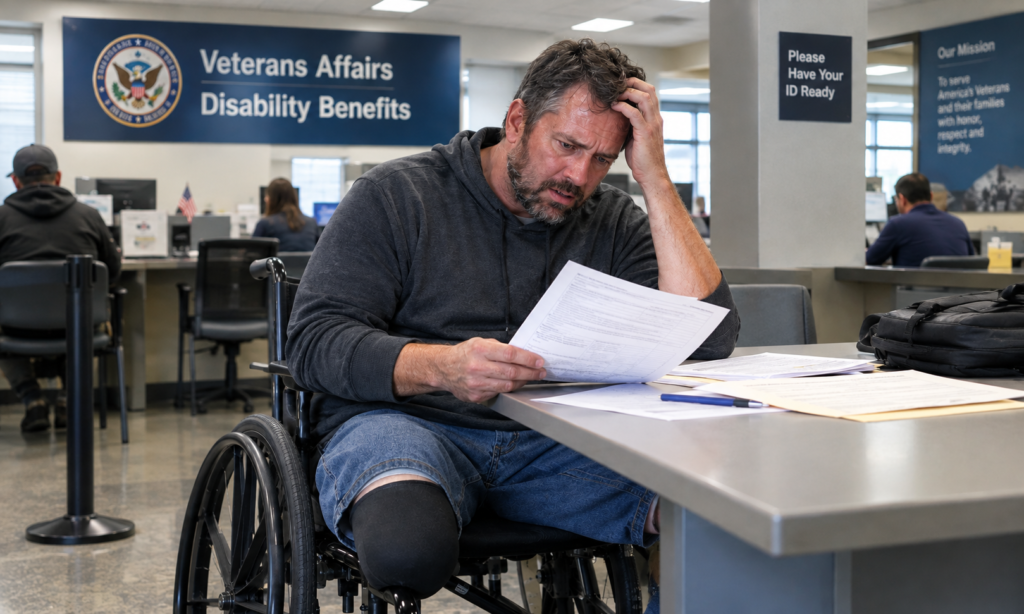
This is where frustration on the left and the right meet. Nobody defends a system that makes a dying person wait months or years for help they deserve and need.
For your health. People who cannot work because of illness or injury face a disability system so backed up it has turned dangerous. The wait for an initial decision more than doubled, from about four months in the late 2010s to nearly eight months in 2024. The Social Security Commissioner reported that roughly 30,000 people died in 2023 while waiting for a decision. See the AARP reporting. Many people hire an attorney to navigate the paperwork for benefits they plainly qualify for, and that still won’t guarantee a favorable outcome.
Work requirements make the same problem worse. They are sold as a way to move people into jobs. To keep them from taking advantage. The evidence says they mostly move people off coverage. When Arkansas added Medicaid work requirements, 18,000 people lost coverage within months, with no rise in employment, because 97 percent of them already worked or qualified for an exemption. They lost care due to paperwork, not to choice. See the Health Affairs study and the Harvard summary. The result was more medical debt, more uninsured people, and more poverty, not more workers.
For the budget. Red tape costs money on both ends. It takes staff and dollars to process endless forms and appeals. It costs the rest of us when untreated illness lands in the emergency room, the most expensive door in the system. Simpler, faster support is the fiscally responsible choice. It gets help to people who qualify and stops burning money on friction.

Clean air and a livable climate
Strengthening environmental protections
For your health. This year brought punishing heat and drought across much of the country, and the health toll is real and climbing. Worldwide, the rate of heat-related deaths has risen 23 percent since the 1990s, and extreme heat now kills more than half a million people a year. In 2024, wildfire smoke was linked to a record 154,000 deaths. See the 2025 Lancet Countdown coverage and the US brief. Heat sends people to the hospital with heart and breathing trouble. Smoke does the same. Children, older adults, and people who work outside carry the heaviest load.
For the budget. Extreme heat is an economic drain too. In 2023, heat cost the world an estimated 512 billion working hours, worth around $835 billion in lost income. See the Lancet report summary. Every dollar spent on clean air and cooler communities returns in fewer hospital visits, fewer lost workdays, and lower insurance losses from fire and storm. Conservation and clean air were bipartisan causes for most of American history. Breathable air and safe water are not partisan wants. They are the ground floor of public health.

Food that feeds kids and supports local farms
Protecting SNAP
For your health. SNAP, still known to many as food stamps, is one of the best health investments the country makes, and the payoff for children is the clearest of all. Kids who get enough food in early childhood grow into healthier adults, do better in school, and have lower rates of obesity, heart disease, and diabetes. Food insecurity among children falls by about a third after six months on the program. See the research on SNAP and health. Good nutrition early is preventive medicine that keeps paying off for decades.
For the budget. The return is hard to ignore. One study estimated that every dollar of SNAP invested in a child returns about $62 in lifetime value, through better health, higher earnings, and lower spending on illness later. See the investment analysis and the long-term study. In a downturn, every SNAP dollar generates roughly $1.50 to $2.00 in economic activity, because it gets spent fast and close to home. Those dollars land at local grocers and, more and more, at farmers’ markets and local farms, keeping food money in the community. Feeding a hungry child is the rare policy that is both the kind thing and the smart thing.

The common thread
These programs and policies change the conditions we all live with. They meet people where they already are, working, aging, raising kids, getting sick. And each one saves money over time, because prevention costs less than crisis.
This is what we mean when we say wellness is bigger than individual habits. Your individual wellness routines and practices matter. So does whether your neighbor can see a doctor, whether the air is safe to breathe, whether your elderly grandmother can afford to heat her apartment, whether the kid down the street ate breakfast, or whether your spouse who had brain surgery can receive disability assistance with minimal paperwork in weeks, not months.
When we take care of each other, the benefits come back around to all of us, even when we are not the ones needing help. A healthier neighbor is less likely to pass on illness and more able to work, spend, and show up for the community. A fed child learns better in school and grows into a stronger adult who contributes for decades. Clean air and water spare everyone the hospital bills and lost workdays. None of us lives sealed off from the people around us. When we build a community where everyone can stay well, we are also building the one we get to live in. Compassion is not charity we give away. It is an investment that pays all of us back in a myriad of ways.

What you can do
You do not need to hold office to make a difference
- Vote with these policies in mind. Local races count as much as national ones. City and county seats shape clinics, parks, air, and food access. Check your voter status or register to vote.
- Tell your representatives what you want. A short call or email about a specific bill carries real weight, especially at the state level.
- Back the groups already doing the work. Food banks, free clinics, and conservation groups turn concern into results.
- Bring it into your own business. If you employ people, you set conditions too. Fair pay, paid time off, and health coverage are just good business policies.
- Talk about it plainly. Most people agree on the goals. Healthy families, clean air to breathe and clean water to drink, and no one living in abject poverty in one of the richest nations in the world. Have those conversations and make those in power listen.
At Elixir, we will always help you care for yourself. Wellness is a personal practice. It is also a shared one. Both are worth your energy, attention, and time.
Sources
- Galvani et al. Improving the prognosis of health care in the USA. The Lancet, 2020, with 2026 update from the Yale School of Public Health. Link.
- Center on Budget and Policy Priorities. Social Security Lifts More People Above the Poverty Line Than Any Other Program, 2025. Link.
- National Bureau of Economic Research. Social Security and Elderly Poverty. Link.
- AARP. Social Security Disability Claim Wait Times Soar, 2024. Link.
- Sommers et al. Medicaid Work Requirements in Arkansas: Two-Year Impacts. Health Affairs, 2020. Link. Harvard T.H. Chan summary of the NEJM first-year study. Link.
- The Lancet Countdown on Health and Climate Change, 2025 report coverage. Link. 2024 US Brief. Link. APHA summary of the 2024 report. Link.
- Center on Budget and Policy Priorities. SNAP Is Linked With Improved Health Outcomes and Lower Health Care Costs, 2022. Link. SNAP Is a Sound Investment, 2025. Link.
- Washington Center for Equitable Growth. Long-term economic and health benefits of SNAP (Hoynes, Schanzenbach, Almond). Link.