
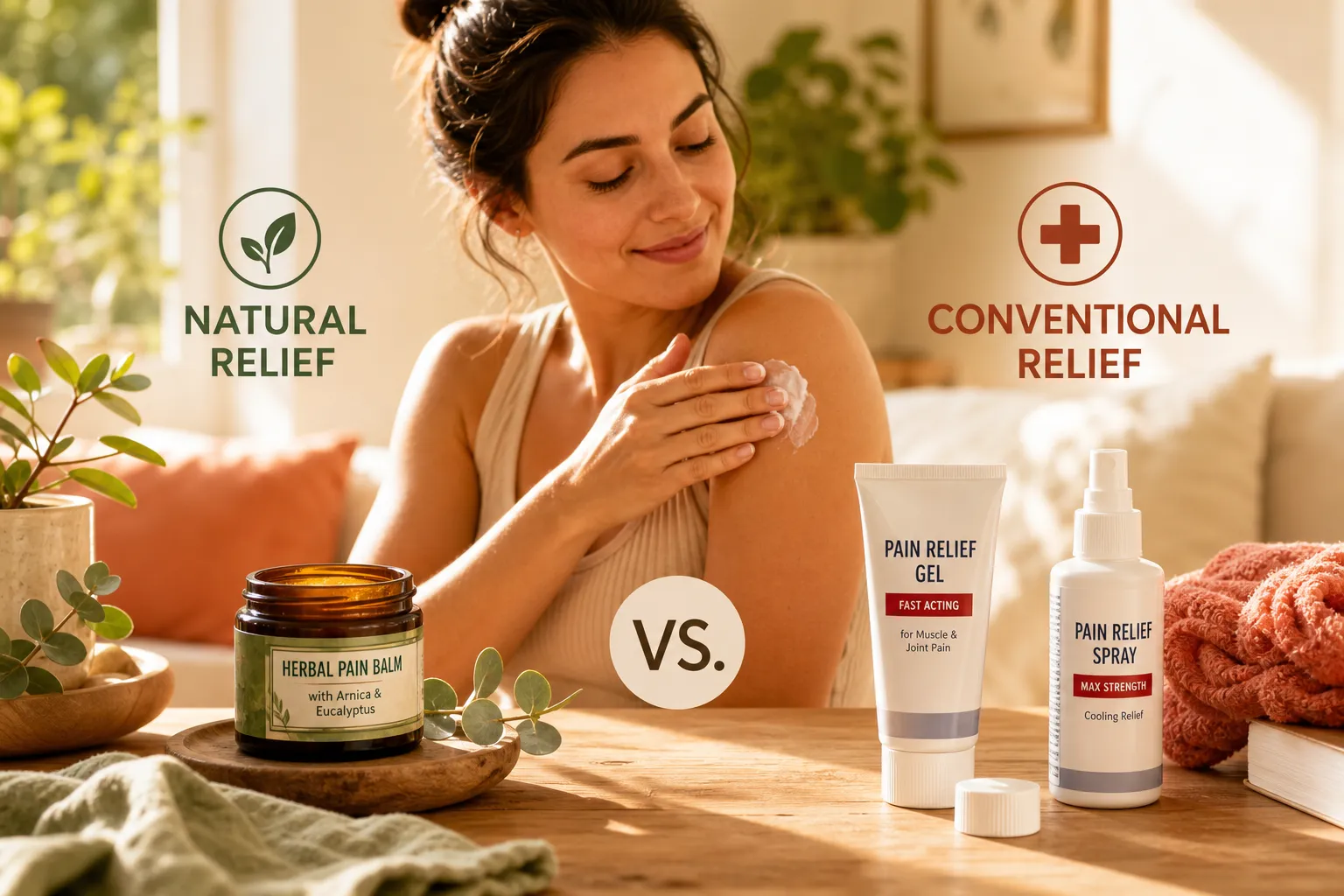
You’ve been there, standing in the drugstore topical pain relief aisle, holding two tubes: one is the menthol cream you’ve relied on for years, the other is a gel claiming clinical-grade joint relief. Both promise results. Neither label explains what’s actually happening under your skin or why one might serve you better than the other.
That moment of confusion is exactly why this article exists. As someone who built Elixir Mind Body Boutique around plant-based body care, the question I hear most from customers is whether natural topical pain relief options can genuinely hold their own against conventional drugstore formulas. The short answer is yes. But the longer answer is far more useful, and it starts with understanding what’s in those tubes in the first place.
By the time you finish reading, you’ll know which active ingredient to look for based on your specific type of pain, what the real side effect trade-offs are, and whether a cleaner botanical formula might actually be the smarter choice for how you want to care for your body long-term.
How conventional topical pain relief actually works
Topical analgesics are designed to deliver active ingredients through the skin to the tissue beneath, rather than traveling through the digestive system the way an oral pill does. The appeal is obvious: more targeted relief, less systemic exposure. But the delivery mechanism matters, and so does the category of ingredient you’re working with.
There are four main types found in drugstore formulas. Non-steroidal anti-inflammatory drugs (NSAIDs) like diclofenac reduce inflammation at the site. Counterirritants like menthol, camphor, and capsaicin create a competing cooling or warming sensation that temporarily overrides pain signals. Local anesthetics like lidocaine block nerve signal transmission in the applied area. Salicylates, the aspirin-related compounds found in older-style rubs, reduce inflammation and pain but carry their own interaction considerations.
One thing most people don’t realize: “topical” does not mean zero systemic absorption. How much of an active ingredient enters your bloodstream depends on the size of the area you’re applying it to, whether your skin is intact, and whether you’re using heat or covering the skin afterward. That distinction matters more than most product labels acknowledge, and it’s worth keeping in mind as you read through the safety section below.
Matching the right topical pain relief to your type of pain
This is where most people get it wrong. They grab whatever’s on the shelf without knowing that different active ingredients are built for fundamentally different pain mechanisms. Using the wrong one often means weeks of frustration with nothing to show for it.
Joint pain and osteoarthritis: where diclofenac leads
If you’re managing knee or hand osteoarthritis, diclofenac gel has the strongest and most consistent clinical evidence of any topical option. Multiple peer-reviewed studies and Cochrane reviews comparing topical and oral diclofenac have found comparable pain relief for localized joints, with the topical form causing significantly fewer gastrointestinal side effects. It’s the ingredient that clinical guidelines most commonly recommend as a first-line option for OA, particularly for older adults or anyone who needs to limit oral NSAID exposure. The clinical evidence for topical diclofenac is the reason many clinicians suggest it for localized joint disease. Voltaren is the familiar brand-name version, widely available OTC, though the ingredient is what’s doing the work, not the brand name.
Muscle strains and tension: what actually helps
For acute musculoskeletal injuries like sprains and strains, diclofenac again has the strongest evidence. Many people reach for menthol-based pain relief cream instead, which is understandable because the cooling sensation feels immediately satisfying. But the clinical evidence for menthol treating the underlying injury is far weaker. It creates a sensation that temporarily masks pain, but it does not address the inflammation driving it. Menthol is useful for temporary comfort; it’s not doing the repair work your tissue needs.
Nerve pain: why lidocaine and capsaicin are different tools entirely
Neuropathic pain, the kind that burns, tingles, or shoots, responds to a completely different mechanism than inflammatory pain does. Lidocaine patches and high-concentration capsaicin are the topical options with the best evidence for localized nerve pain. High-concentration capsaicin studies and lidocaine patch trials show benefit for certain localized neuropathies. NSAIDs, including diclofenac, are not effective for nerve-related pain because inflammation isn’t the source. If you’ve been applying a diclofenac gel or a topical numbing cream to nerve discomfort without results, this is likely why. The tool simply doesn’t match the job.
Side effects and safety trade-offs most people overlook
Conventional topical analgesics are generally safe when used as directed, but “generally safe” isn’t the same as risk-free. Those risks are easy to underestimate when you’re applying something to your skin rather than swallowing it.
Topical pain relief and systemic absorption risks
Local reactions like burning, stinging, redness, and dermatitis are the most common side effects across topical analgesic categories. Capsaicin products in particular can cause an initial flare of discomfort before the desensitization effect kicks in. Systemic absorption risk increases meaningfully when you apply products over large skin areas, on broken or irritated skin, or under wrapping or heat. Topical diclofenac can still trigger NSAID-type systemic effects, including GI, kidney, and liver concerns, in people who are susceptible, for more on safe use and precautions see this diclofenac drug information resource. Lidocaine products, at high absorption levels, carry cardiovascular risk including arrhythmia. These aren’t reasons to panic, but they are reasons to use these products thoughtfully and within the recommended guidelines.
Drug interactions that are easy to miss
The interactions most worth knowing: topical diclofenac combined with oral NSAIDs adds little additional benefit and increases overall NSAID load and risk. Salicylate-based creams require extra caution in people on blood thinners or with aspirin sensitivity. Lidocaine patches can interact with other medications, particularly those affecting heart rhythm, and the FDA specifically warns about increased risk when absorption is elevated. These are practical considerations, not theoretical ones. And honestly, the more I’ve learned about these interactions over the years, the more I understand why so many of our Elixir Mind Body Boutique customers started looking for cleaner formulas in the first place.
Why more people are choosing plant-based topical pain relief
Plant-based topical pain relief isn’t new. Arnica, capsaicin, menthol from peppermint, and willow bark have centuries of use behind them. What’s changed is the quality and thoughtfulness of formulations, and the growing number of people who want effective options without the risk profile of conventional creams used daily over months or years.
What plant-based pain relief actually looks like in practice
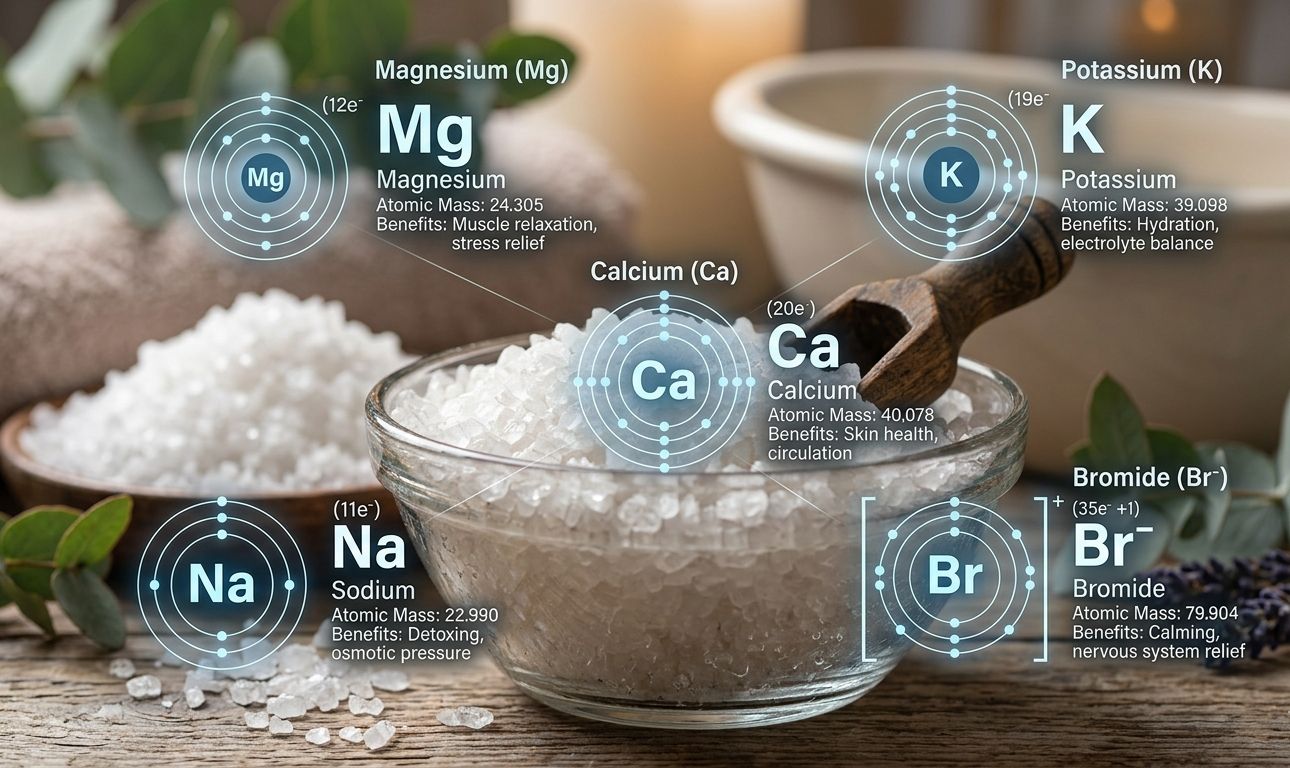
Botanical topical options span a range of mechanisms. Magnesium chloride solutions, often marketed as “magnesium oil”, are applied transdermally for muscle relaxation and tension relief, though evidence for skin absorption and its clinical effects remains mixed and limited. Arnica-infused oils have traditional use targeting bruising, soreness, and swelling, with some small clinical studies supporting its use for musculoskeletal discomfort. Specific botanical ingredients, including turmeric and curcumin, boswellia, and ginger, have peer-reviewed evidence for anti-inflammatory activity that goes beyond simply creating a competing sensation. The key distinction from conventional counterirritants is that these particular botanicals work through the body’s own inflammatory and recovery pathways rather than overriding pain signals with heat or cold. That’s a meaningful difference when you’re thinking about daily or ongoing use.
Who is making the switch and why it’s not just about “going natural”
People drawn to botanical topical pain relief are not rejecting science. They’re making a considered risk-benefit decision. If you already eat clean, read ingredient labels on your food, or have experienced skin irritation or GI discomfort from conventional OTC products, then a formula built from transparent botanical ingredients simply fits better with how you approach your health. Plant-based options make the most sense for people managing chronic muscle tension, mild joint discomfort, or stress-related body pain as an ongoing daily habit rather than an acute medical emergency. For long-term, frequent use, a lower risk profile matters.
What Elixir Mind Body Boutique’s pain relief collection offers
At Elixir Mind Body Boutique, the pain relief collection was built around a specific kind of customer: someone who wants genuine relief from muscle soreness, tension, and minor joint discomfort without reaching for a conventional OTC product every single day. The formulations are all-natural and organic, with full ingredient transparency. They’re designed for at-home use that feels intentional rather than clinical.
Clean formulas built for daily muscle and joint comfort
The collection includes herbal-infused body oils, magnesium-based formulas for muscle relaxation, and relaxation-focused blends that function as both self-care ritual and targeted relief. Botanical ingredients, including arnica, anti-inflammatory herbs with published research behind them, and carefully selected essential oils, are chosen because they work with the body’s natural recovery processes. There is a real difference between a product that smells nice and one that is formulated with purpose, and that distinction drives every decision in this line.
A daily ritual for people managing ongoing tension or soreness
If you’re dealing with recurring muscle tension, stress-related body aches, or mild joint discomfort that flares regularly, many users find that consistent botanical use supports better day-to-day comfort than reaching for a conventional OTC product occasionally. That said, individual results vary, and high-quality long-term comparative data between botanical and conventional topicals are still limited. The philosophy behind the Elixir Mind Body Boutique line is straightforward: thoughtful, consistent self-care, supported by well-chosen botanical ingredients, can meaningfully contribute to how your body feels over time. If that approach resonates, the pain relief collection is a genuine place to start, and you can also browse our best sellers for customer favorites.
Topical pain relief application tips for better results
The ingredient matters. So does how you apply it. This part is often skipped, and it’s the difference between a product that works and one that disappoints.
The basics: how much, how often, and where
Start with clean, dry skin. For creams and gels, apply a thin, even layer to the target area rather than a thick coat. More product does not mean more relief; it often means more irritation and wasted product. Patches should be placed precisely on the affected area and left on for the product’s stated wear time. Consistent, moderate application beats infrequent heavy use for almost every topical formula, conventional or botanical.
Key precautions that apply across the board
A few rules hold regardless of which formula you’re using. Do not apply to broken, irritated, or compromised skin. Avoid combining any topical pain product with external heat sources like heating pads unless the label explicitly says it’s safe, heat significantly increases absorption and can raise both irritation and systemic risk. Use extra care with elderly skin, which absorbs topical ingredients more readily than younger skin. For children, only use products specifically formulated and labeled for their age group.
Whether you’re reaching for a conventional diclofenac gel or a botanical body oil from Elixir Mind Body Boutique, knowing how to apply it properly is genuinely half of what makes it work.
You now have a much better map than when you walked into that drugstore aisle
You know what each major active ingredient does and which one is actually matched to your pain type. You know that “topical” doesn’t mean risk-free, and you know what to watch for. And you know that for many people managing ongoing, daily discomfort, plant-based options offer a favorable risk profile worth taking seriously, even if direct long-term comparative trials against conventional products are still catching up.
Choosing the right topical pain relief doesn’t have to feel like guesswork anymore. It’s about reading the ingredient list with confidence, matching the formula to the need, and deciding whether you want a product that addresses a symptom quickly or one that supports your body’s recovery as part of a daily wellness ritual.
If you’re ready to explore the cleaner approach, browse the topical pain relief options at Elixir Mind Body Boutique. The formulations are built with intention, and the ingredient list is one you can actually read and trust.