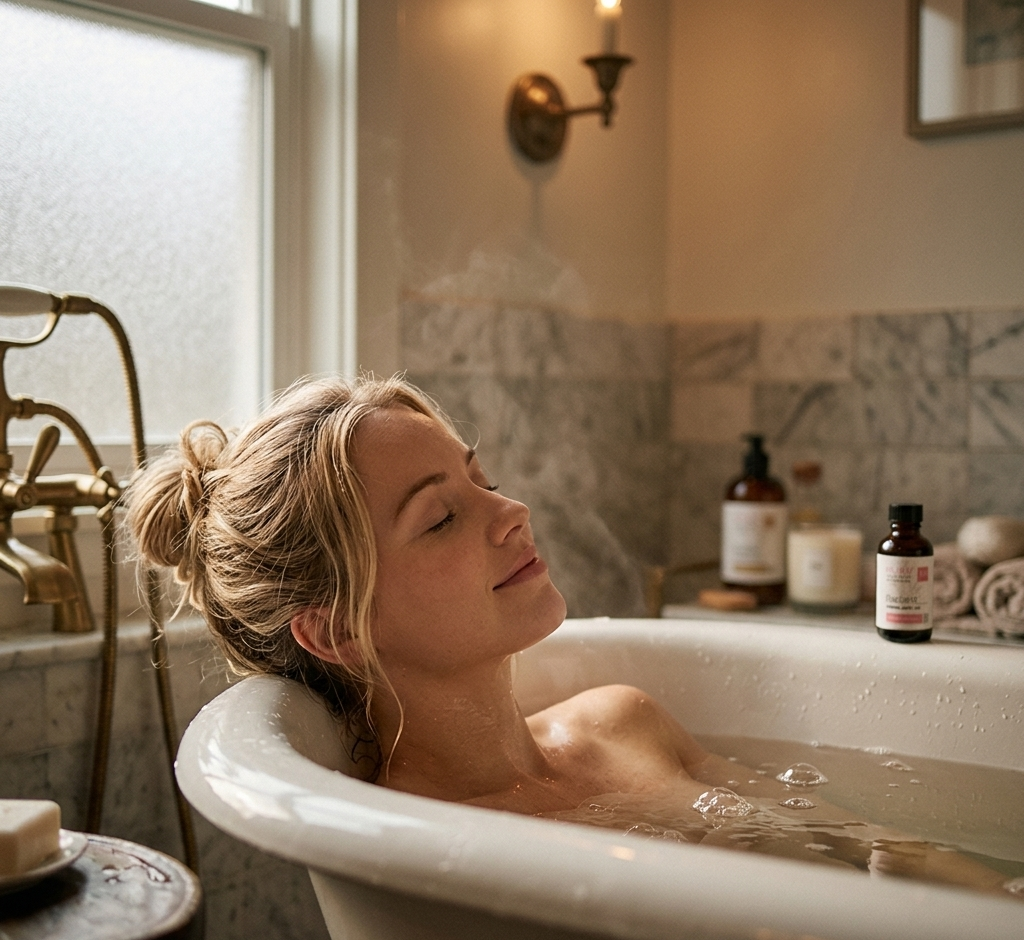
I’ve said it for years, there is something genuinely therapeutic about a hot bath. Not just a nice, relaxing, wind-down ritual. Actually, physiologically, measurably therapeutic for your mental health. In 2020, a randomized controlled pilot study by the University of Freiburg, published in BMC Psychiatry, backs that up.
The Study: Baths vs. Exercise for Depression and Improved Mental Health
Researchers at the university outpatient clinic recruited 45 adults diagnosed with moderate depression confirmed by a clinical rating scale, and divided them into two groups over 8 weeks. One group did twice-weekly hyperthermic baths in water at 104° for 15–20 minutes. The other group followed a structured moderate-intensity physical exercise programme.
Depression scores for the people taking baths improved after just two weeks.
The results were striking. The bath group showed a 4.3-point greater reduction in Hamilton Depression Rating Scale scores compared to the exercise group, a clinically meaningful difference, and this showed up within the first two weeks. Not months.
What’s equally noteworthy is that compliance was dramatically better in the bath group. Only 2 people dropped out of the bath intervention, compared to 13 out of 23 in the exercise group. That’s not a small thing.
A menatl health treatment that people actually stick with is a treatment that works in the real world.
The researchers concluded that hyperthermic baths added to usual prescribed care may be a fast-acting, safe, and accessible method for meaningfully improving depression severity, especially for people who struggle to exercise.
Why Heat Works: Your Body’s Response
When you immerse your body in warm water, your core temperature rises. This triggers a cascade of responses: vasodilation, increased circulation, and a shift in the nervous system from sympathetic (fight-or-flight) dominance toward parasympathetic (rest-and-digest) activity. Your body, in essence, exhales.
There’s also a growing body of research connecting body temperature to mood regulation. The thermosensory pathway to the brain, specifically the insular cortex and hypothalamus, overlaps significantly with neural circuits involved in emotional processing. The endorphin release (a feel-good hormone) and a reduction of cortisol (a stress hormone) also make an impact.
What This Means for You
Here’s what I find most exciting about this study from a practical, real-life wellness standpoint: the protocol is genuinely accessible.
40°C. 15–20 minutes. Twice a week.
You don’t need a gym membership, a personal trainer, or a particularly good day. You need a bathtub and some intention.
And that’s where I want to bring in something I’ve been thinking about a lot: if we’re going to take the therapeutic bath seriously, treating it as a legitimate self-care practice, then what we put in that bath matters too.
Elevating the Therapeutic Bath with Elixir Mind Body Botanicals
At Elixir Mind Body Botanicals, everything we formulate is built around one core belief: your body is capable of profound self-regulation, and the right botanicals can support that process rather than override it.
When I think about the hyperthermic bath protocol from this study and how to make it even more intentional, a few of our products immediately come to mind.
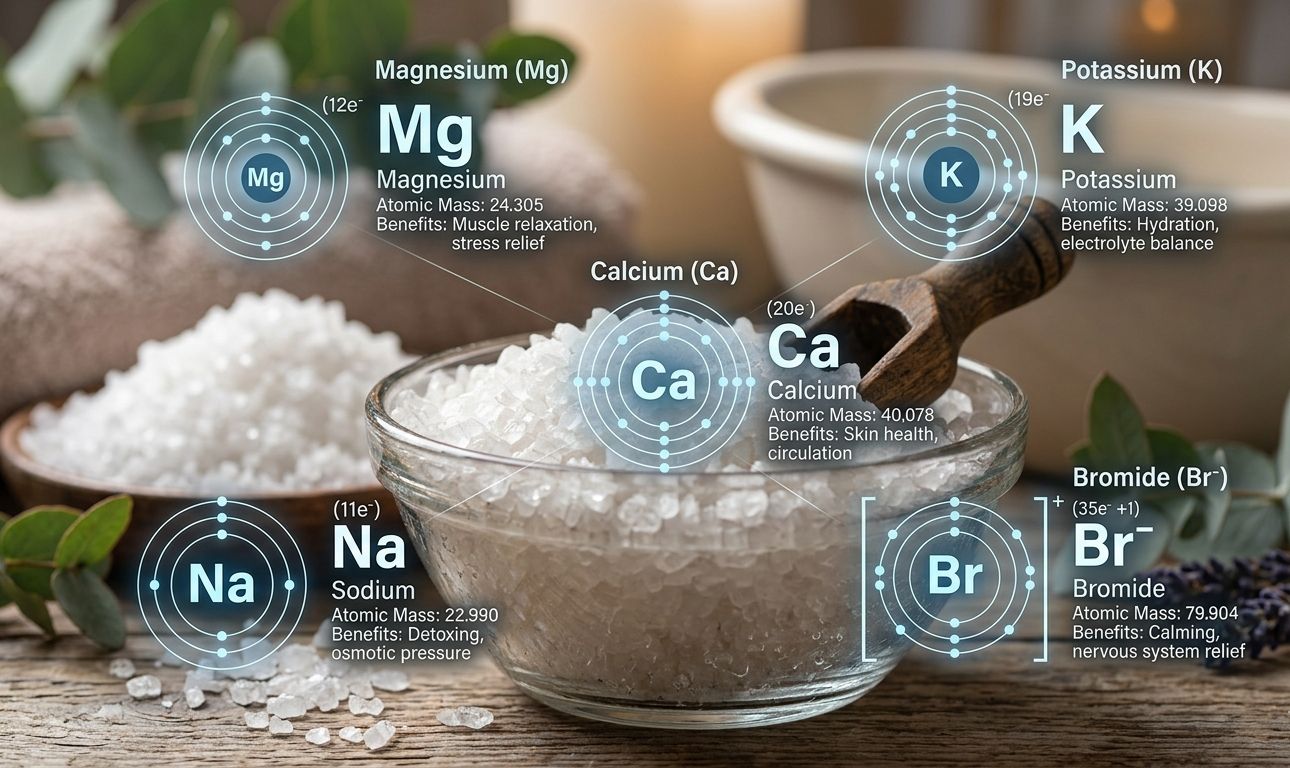
Magnesium-rich bath soaks are a natural complement to the heat response. Magnesium is absorbed transdermally during a warm bath and plays a direct role in regulating the nervous system, acting as a “brake” on brain activity to produce calming, anti-anxiety, and sleep-promoting effects, and easing the kind of muscular tension that tends to accompany depressive states. Starting your therapeutic bath with a magnesium soak means you’re not just raising your body temperature, you’re supporting your nervous system at the same time.
Herbal bath oils and mineral soaking salts made with pure essential oils deserve special mention here. The olfactory system is one of the most direct pathways to the limbic brain, the seat of emotional memory and mood regulation. Inhaling steam infused with carefully selected essential oils while your body thermoregulates is an underutilized tool in accessible mental health and wellness. Frankincense, bergamot, and lavender are more than just beautiful scents. They’re botanical intelligence.
The study protocol calls for 15–20 minutes. That’s not a long time, but it’s enough if you use it well. Creating an intentional sensory environment in that window (the scent, the heat, the stillness) compounds the physiological effect with a psychological one.
A Note on What This Study Isn’t Saying
I want to be clear, because I think nuance matters enormously. This research was conducted as an add-on to usual depression care, meaning participants were already receiving treatment. Hyperthermic baths were not positioned as a standalone cure or a replacement for medical support, and they shouldn’t be. If you’re living with depression, please work with a healthcare provider you trust.
What this study does offer is powerful, though: evidence that something as simple and accessible as a regular hot bath can meaningfully move the needle on depression severity, quickly, safely, and in a way that people actually follow through on. That’s worth taking seriously.
A Bath Provides A Mental Health Boost
If you’ve been inspired to start treating your warm bath as a genuine therapeutic ritual twice weekly for 15–20 minutes, I’d love for Elixir Mind Body Botanicals to be part of how you make that time work even better for you.
Browse Elixir Mind Body Botanicals full range of bath soaks, botanical infusions, and body oils available at Elixir Mind Body Boutique and find the products that resonate with you.
As always, this post is for educational purposes and reflects my personal perspective as a wellness practitioner. It is not medical advice. Please consult your healthcare provider regarding any mental health concerns.