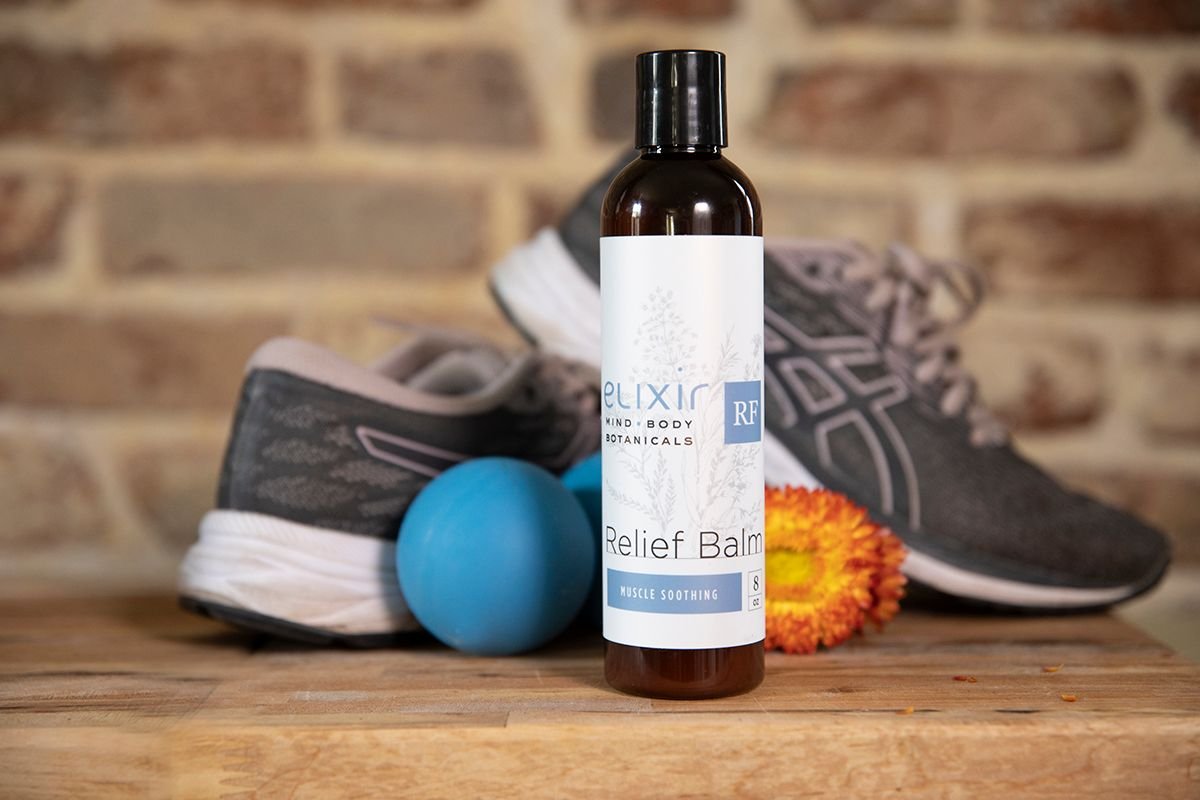

The beauty and wellness sector shows how concentrated the market has become. Shelves look full of choices, yet just a few corporations own most of the brands you see.
Who are these big beauty brands?
Procter & Gamble controls a large share of personal care. Their Beauty division brings in billions in annual revenue. Their portfolio includes Olay, Pantene, Head & Shoulders, Herbal Essences, Old Spice, Secret, and SK II. They added more brands through recent acquisitions. Ouai, Tula Skincare, Farmacy Beauty, First Aid Beauty, and Mielle Organics all joined the company.
L’Oréal holds an even wider range. They own 36 brands across luxury, professional, consumer, and dermatological segments. Their reach covers Maybelline, Garnier, NYX, Lancôme, Kiehl’s, Urban Decay, CeraVe, La Roche Posay, and Vichy. They bought IT Cosmetics for 1.2 billion dollars and added brands like Dr.G. while also holding long-term licensing agreements with Prada and Miu Miu.
Unilever maintains a large global footprint, with its Beauty and Wellbeing division generating more than twelve billion euros in 2023. Their brands include Dove, TRESemmé, Suave, Vaseline, Tatcha, Hourglass, and Living Proof. They expanded through deals with REN, Murad, Kate Somerville, Schmidt’s Naturals, and SheaMoisture.
Many of these acquired brands launched with strong missions. But once these brands are obtained, their main mission becomes the fiduciary responsibility to shareholders, and their product integrity, customers, and employees become just numbers on a spreadsheet.
Corporate Giants vs Consumers
Large companies promote purpose-driven marketing. However, their business operations often conflict with the image and products they present.
Let’s use P&G as an example. First Aid Beauty grew through a focus on sensitive skin and clean ingredients. P&G acquired the brand in 2018 for a reported 250 million dollars. The founder spoke about global growth and product development, but shoppers noticed something different. Formulas shifted, and the original founder-led feel faded.
This kind of deceptive pattern appears across many deals, including L’Oréal’s acquisitions of IT Cosmetics, Urban Decay, NYX, and CeraVe. While these brands might still meet certain ethical standards, they now operate within a company that allows animal testing and prioritizes financial performance over all else.
Corporations buy smaller brands because loyal customers love and trust them. After the sale is complete, the changes begin. Over time, product decisions lean toward scale and cost efficiency, and the attributes that built loyalty start to erode.
Why Should You Support Independent Wellness Brands
Consumers are getting smarter about their choices. The next wave of growth sits with those businesses that are built on personal connection, trust, and clear values. Elixir Mind Body Botanicals reflects this shift.
As the founder of Elixir Mind Body Massage, Elixir Mind Body Boutique, and Elixir Mind Body Botanicals, I have deep experience in the wellness field. I saw how aromatherapy, pure essential oils, and bespoke massage oils improved outcomes for our guests in the studio. I watched many of the independent brands we curated for their efficacy in our boutique get acquired by large multi-brand corporations. Their product quality declined immediately, prices went up, and their wholesale customer service and staff education dropped off a cliff.
I reached a point where creating Elixir’s own products felt necessary to protect our guests’ experience. These insights drove me to create products our guests could enjoy in the treatment room and could take home to use every day. Elixir Mind Body Boutique, along with Elixir Mind Body Botanicals, focuses on high-quality, effective ingredients, ethical practices, and simple self-care rituals.
Why Shopping Small Is Better For Consumers
The fundamental difference between small wellness brands and large corporations is the intent behind the sale. The products independent brands create exist because a real person cares about the outcomes for their customers. The goal is to support well-being, not fill a market gap identified by research departments.
Different Priorities
Large corporations structure decisions around earnings. Ingredient choices often come from cost modeling. Product strategies follow financial targets. A small business owner, like me, uses a different lens. I think about customer benefit and trust. My success depends on satisfaction and retention, not large advertising budgets.
Smaller wellness brands also tend to communicate more openly. They respond faster to customer input. They protect product integrity even when cheaper options exist. A small cost cut looks minor on a spreadsheet at a major corporation. For a small business, that change risks damaging years of earned credibility. This is why conscious consumers continue to move toward independent, values-driven brands.
Independent wellness brands survive because customers value honesty, quality, and care. When you buy from Elixir Mind Body Botanicals, you support products made with clear intent and high standards. You get formulas created for real outcomes, not shareholder targets. You also support the people behind the brand who listen and improve based on your needs and feedback. If you want products that respect your well-being and stay true over time, Elixir Botanicals is a good place to start.